
Roof Trades and Skills most Needed
As Australia’s population ages, there are more and more tragic reports of serious injury and sometimes death from falls, mostly from rooftops and ladders. Roof top DIY is not recommended. Contained within this Directory of Roof Trades should be all the Roof Trades you should need.
Due to the wide range of materials and building products incorporated in the roof of a house, it requires an equally long list of skills and trades required to maintain and repair these components. Below is an outline of most of the trades and skills that should cover the roof issues most homeowners will encounter.
Roof Plumber
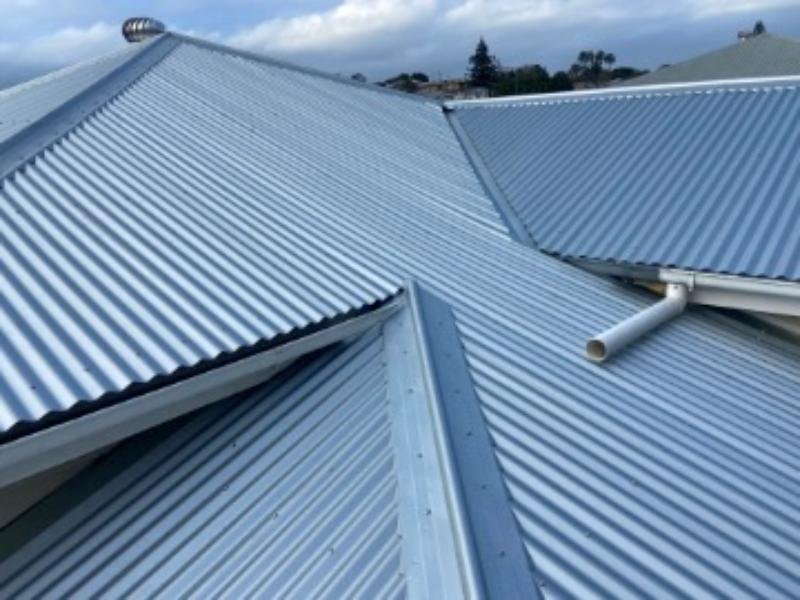
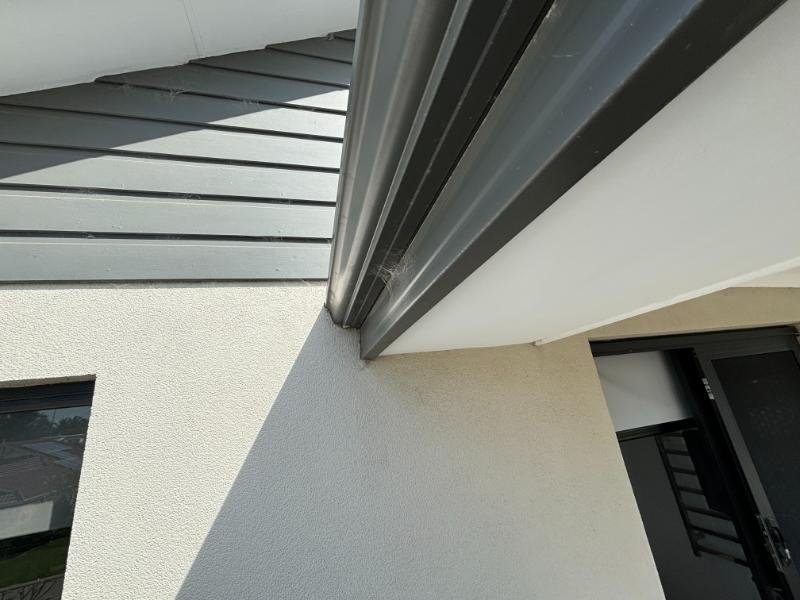
A Roof Plumber in Australia specialises in installing, repairing, and maintaining roof drainage systems, metal roofing, and weatherproofing elements on residential, commercial, and industrial buildings. In Australia, roof plumbing is a distinct trade under the broader plumbing category (ANZSCO 334115), focusing on rainwater management, gutters, downpipes, flashings, and metal roof systems to prevent leaks and ensure compliance with standards like AS/NZS 3500.
Read more about Roof Plumbers
Roof Carpenter
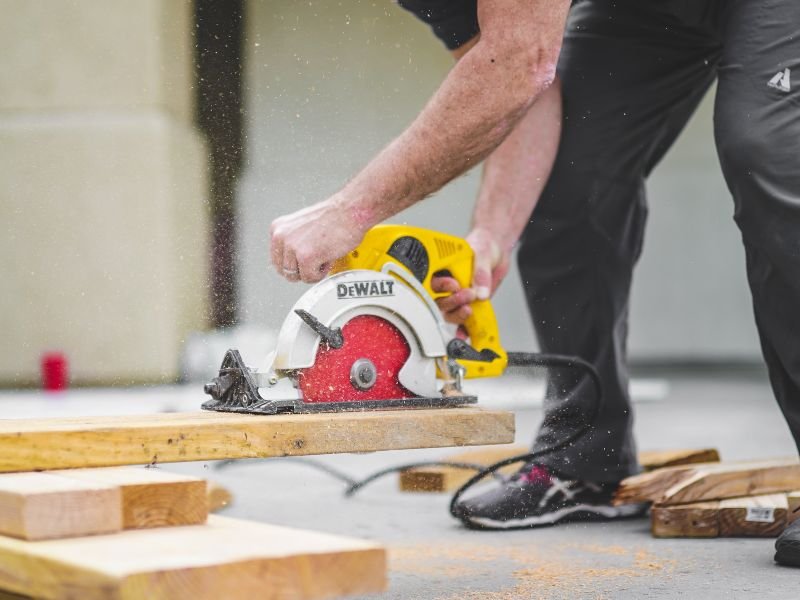
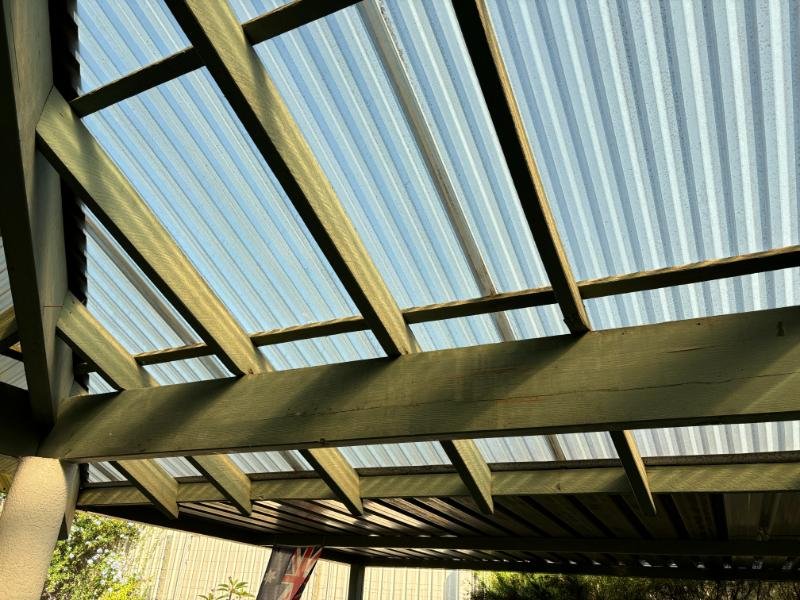
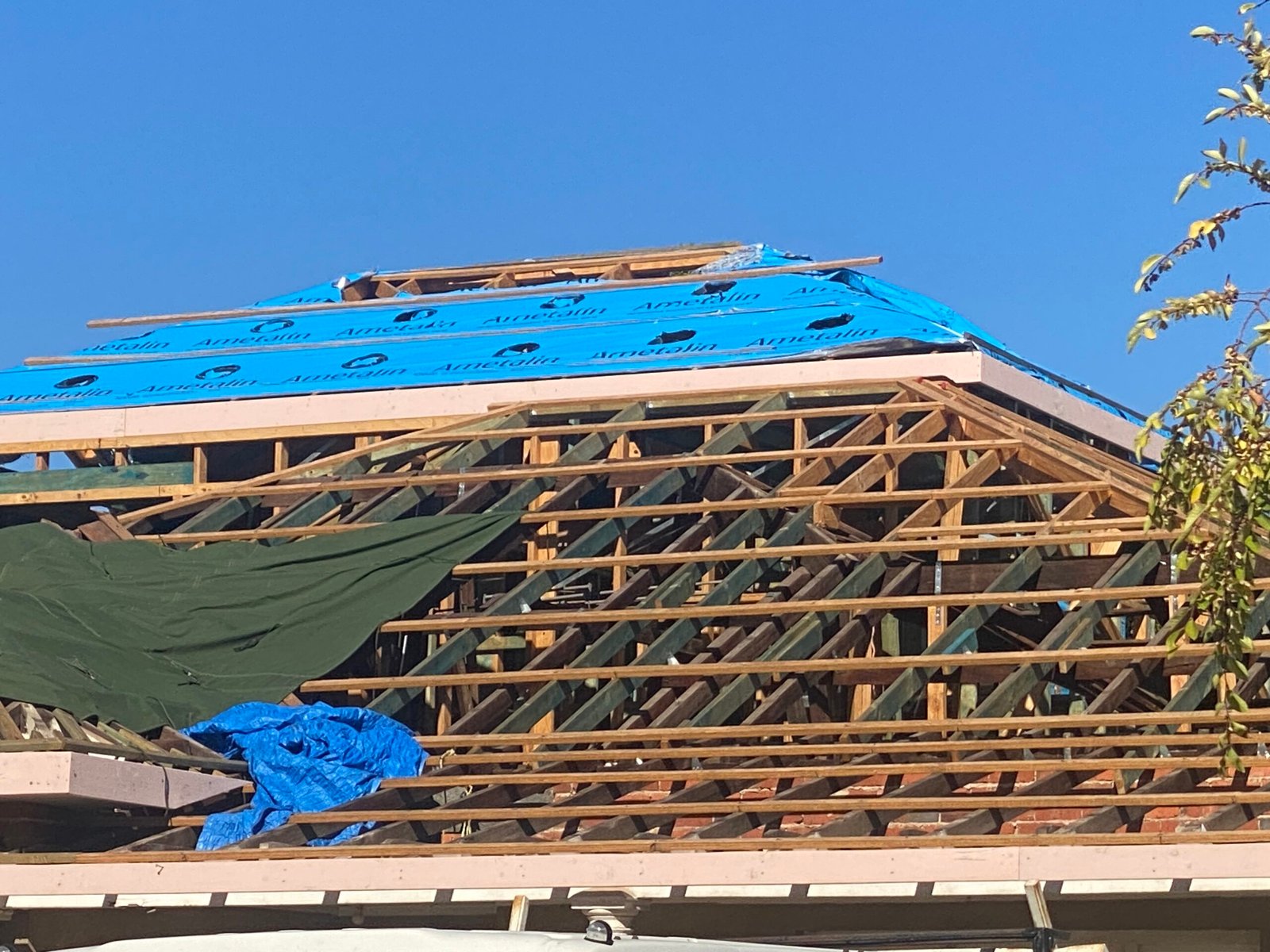
Roof Carpenter – Roof Structure Repairs & Timber Roof Framing
A Roof Carpenter in Australia is a qualified carpenter who specialises in roof framing, roof structure repairs, and structural roof carpentry. They repair, strengthen, and construct timber and steel roof frameworks that support roofing materials such as roof tiles and metal roofing. Roof carpenters focus on the structural components of a roof, while trades such as roof plumbers or roof tilers install the external roof coverings.
Roof Tiler
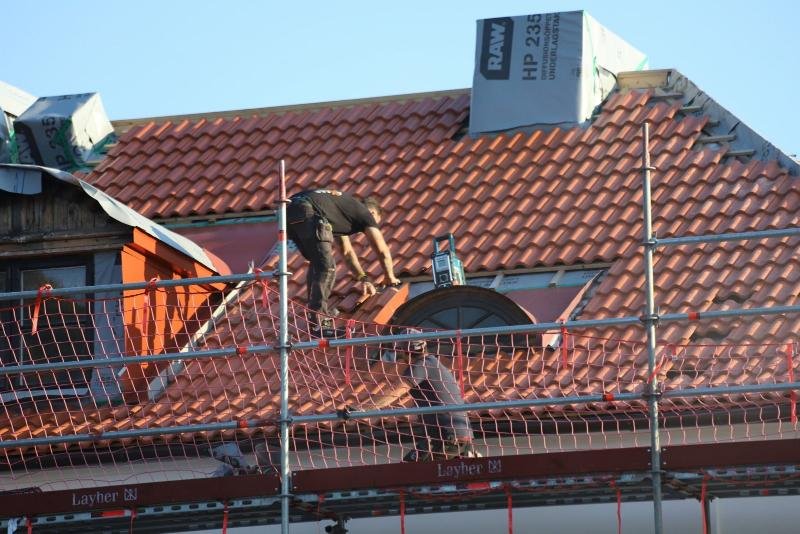


Roof Tiler – Tiled Roof Repairs, Maintenance & Installation
A Roof Tiler specialises in the installation, repair, maintenance, and restoration of tiled roofs. They work primarily with terracotta (clay) and concrete roof tiles to ensure the roof remains watertight, secure, and weather-resistant. Roof tilers are skilled in identifying the many tile profiles and sizes used throughout Australia and sourcing suitable replacement tiles when repairs are required. Their work helps protect homes from leaks, storm damage, and premature roof deterioration.
Read more about the Roof Tiler
Roof Handyman
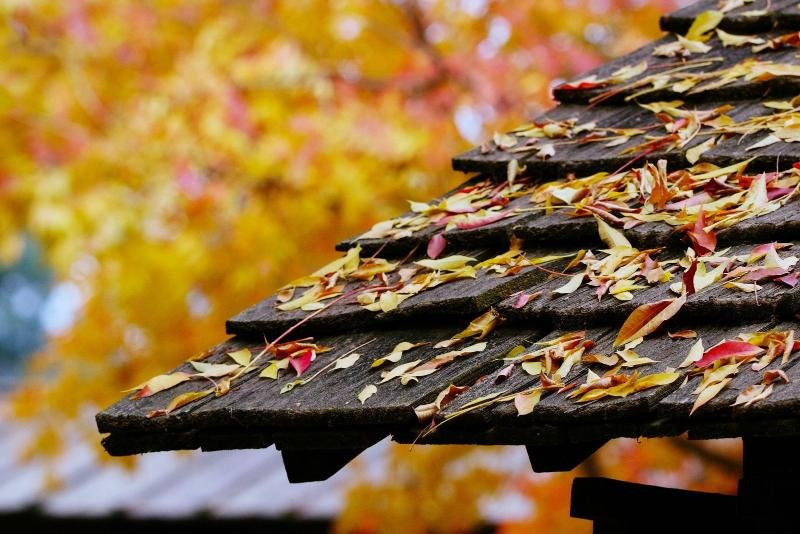
General Duties of the Roof Handyman
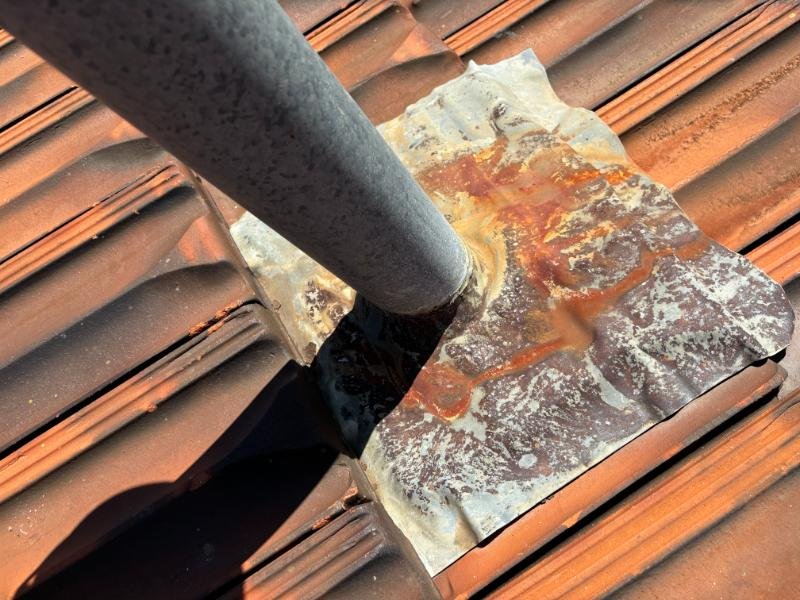
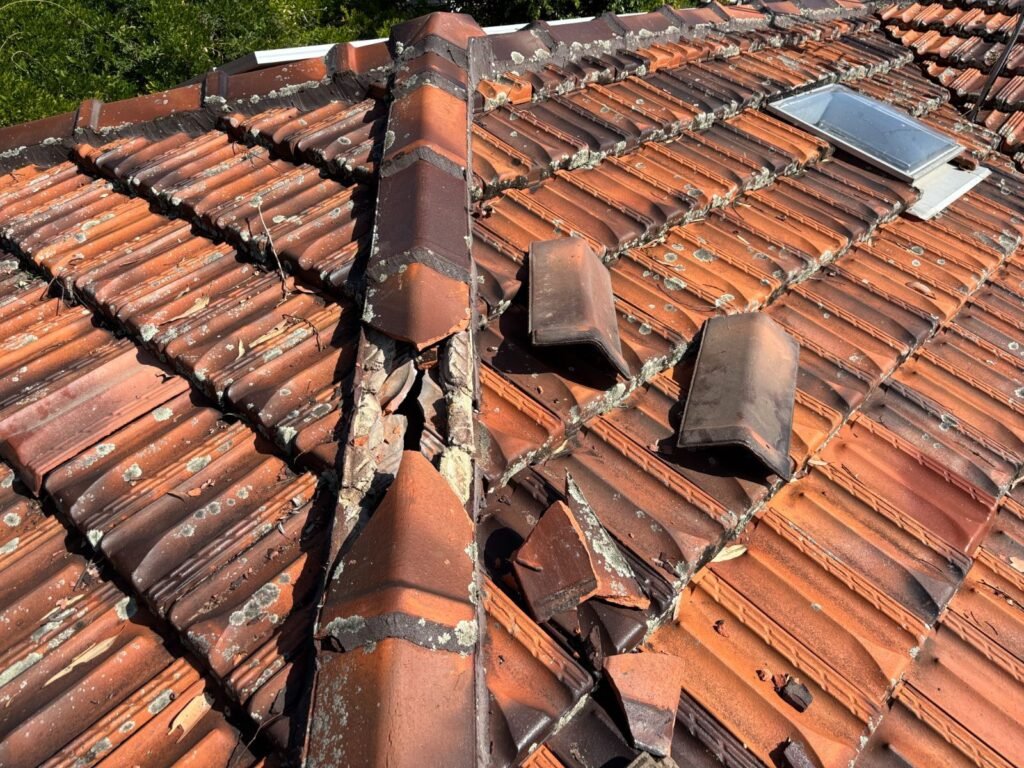
A Roof Handyman in Australia is responsible for a wide range of maintenance, inspection, cleaning, and minor repair tasks that help preserve the structural integrity and lifespan of residential and commercial roofing systems. One of the primary duties involves conducting detailed roof inspections to identify cracked tiles, rusted metal sheets, loose ridge capping, damaged flashing, blocked valleys, and signs of water ingress. A skilled roof handyman must understand the different roofing materials commonly used throughout Australia, including Colorbond steel, terracotta tiles, concrete tiles, polycarbonate sheeting, and asbestos-containing materials found in older homes. They are expected to assess roof safety risks, recognise storm damage, and identify issues that may lead to leaks, mould growth, timber rot, or internal ceiling damage if left unattended.
Roof Materials and Hardware
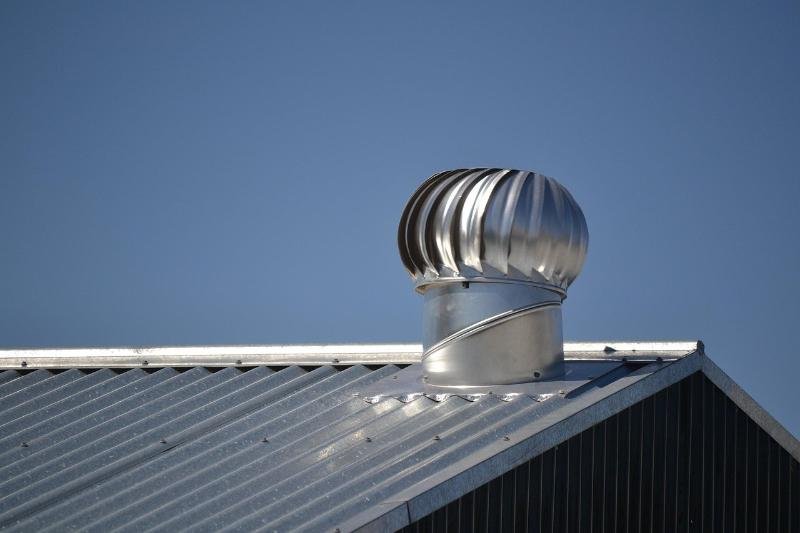
Roof Tiles – Roof Sheets – Gutters -Flashings – Timber
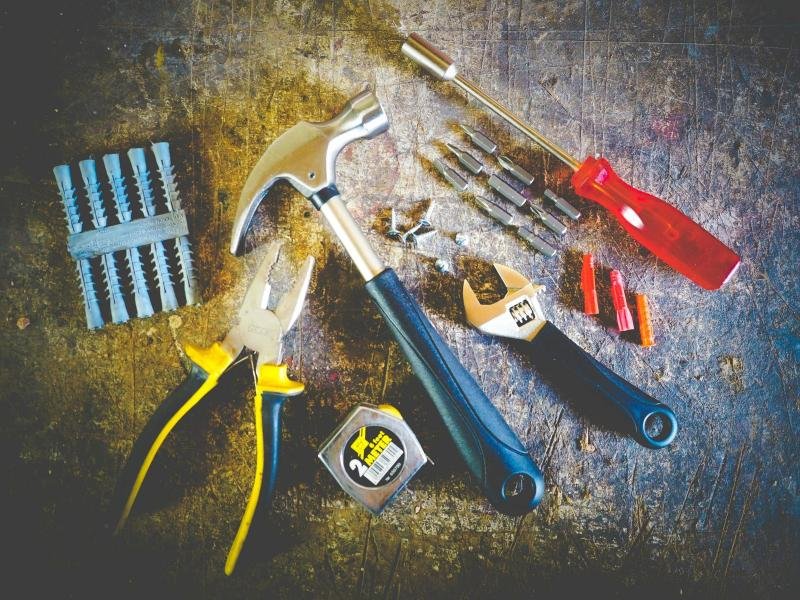
The Australian roofing industry relies on a specialised network of manufacturers, suppliers, fabricators, salvage yards, and trade retailers to provide the vast range of materials required for roof construction, repairs, restoration, and maintenance.
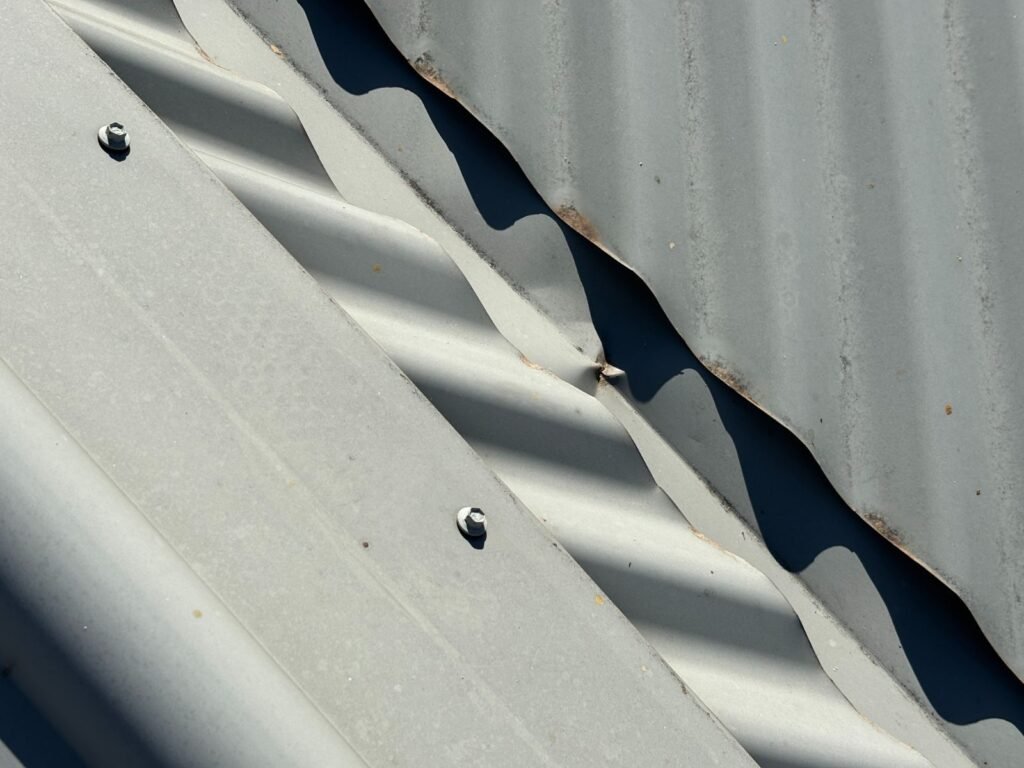
Unlike many building products, roofing materials are often specific to particular roof profiles, manufacturers, construction eras, and climatic regions. Components such as roof tiles, ridge capping, metal roofing sheets, gutters, flashings, roof screws, ventilation systems, insulation products, and stormwater fittings can vary significantly in size, design, coatings, colours, and installation requirements.
For this reason, roofing professionals often source materials from multiple suppliers to ensure compatibility with existing roof systems and compliance with Australian building standards.
Roof Restorations
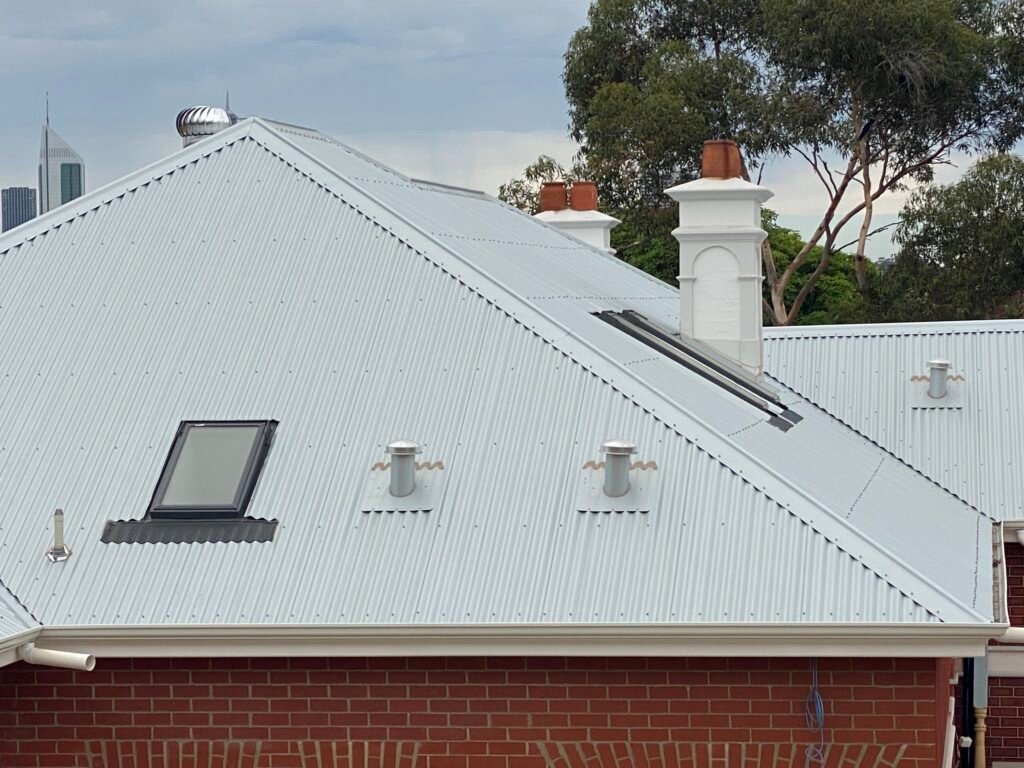
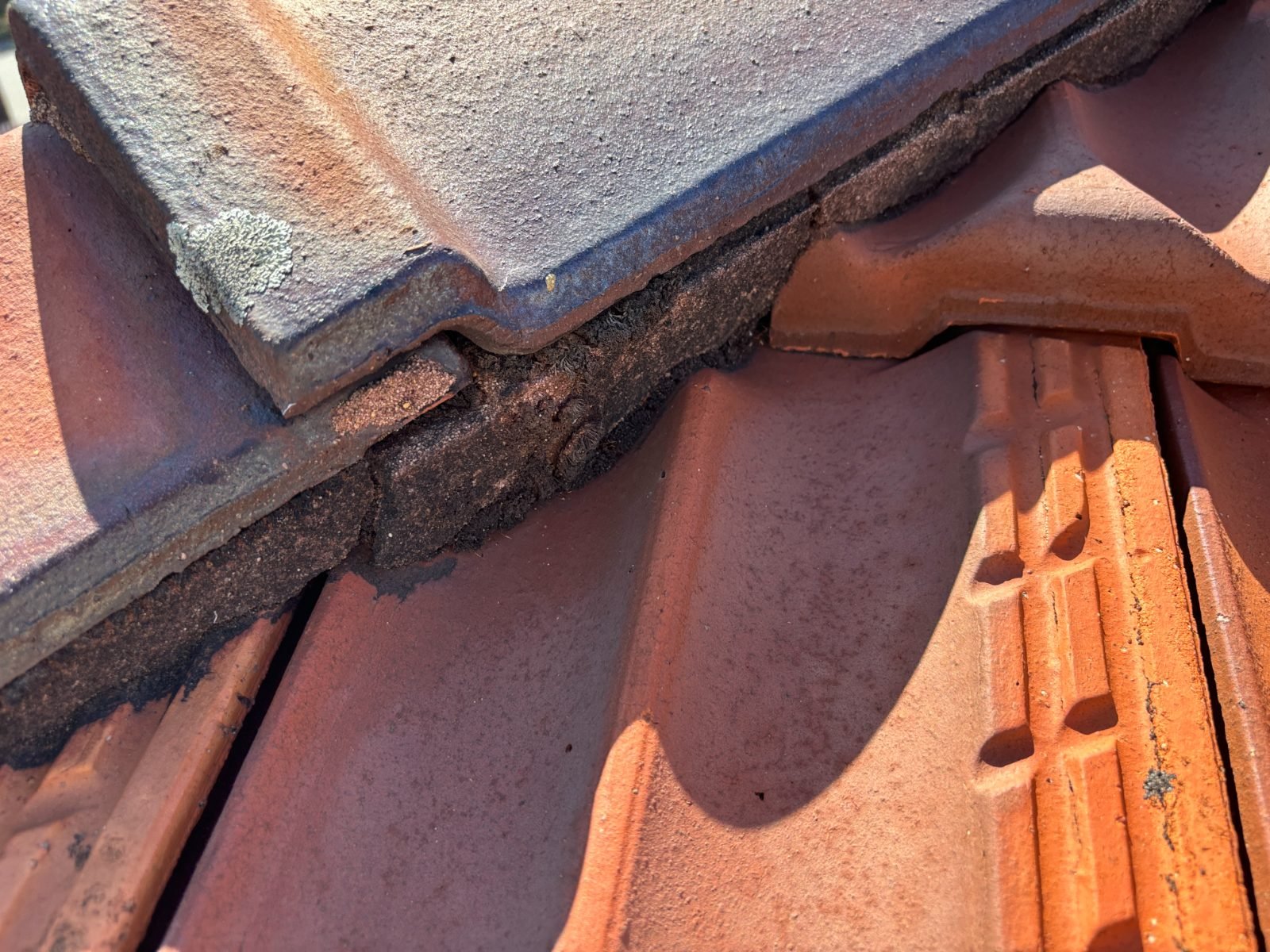
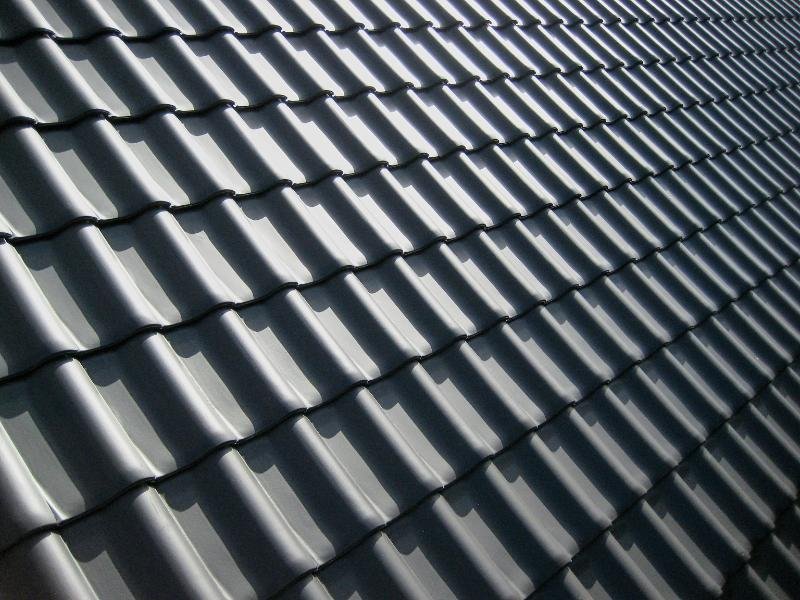
A Roof Restoration Specialist is responsible for assessing, repairing, renewing, and protecting residential and commercial roofing systems. Their work goes beyond simple roof repairs, focusing on extending the lifespan, performance, and appearance of existing roofs through comprehensive restoration services.
Roof restoration specialists work across a variety of roofing materials commonly found throughout Australia, including Colorbond® steel, corrugated iron, concrete roof tiles, terracotta roof tiles, and other roofing systems. They identify roof defects, water ingress issues, deteriorated materials, damaged ridge capping, rust formation, drainage problems, and weather-related deterioration before recommending suitable restoration solutions.
Their goal is to restore the roof’s structural integrity, weather resistance, and visual appearance while helping property owners avoid the cost of premature roof replacement.
Other Roof Trades
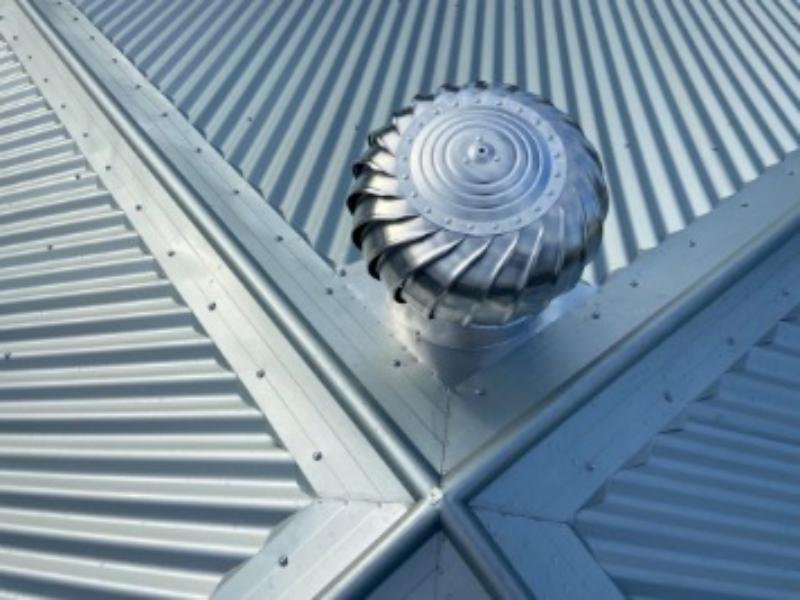
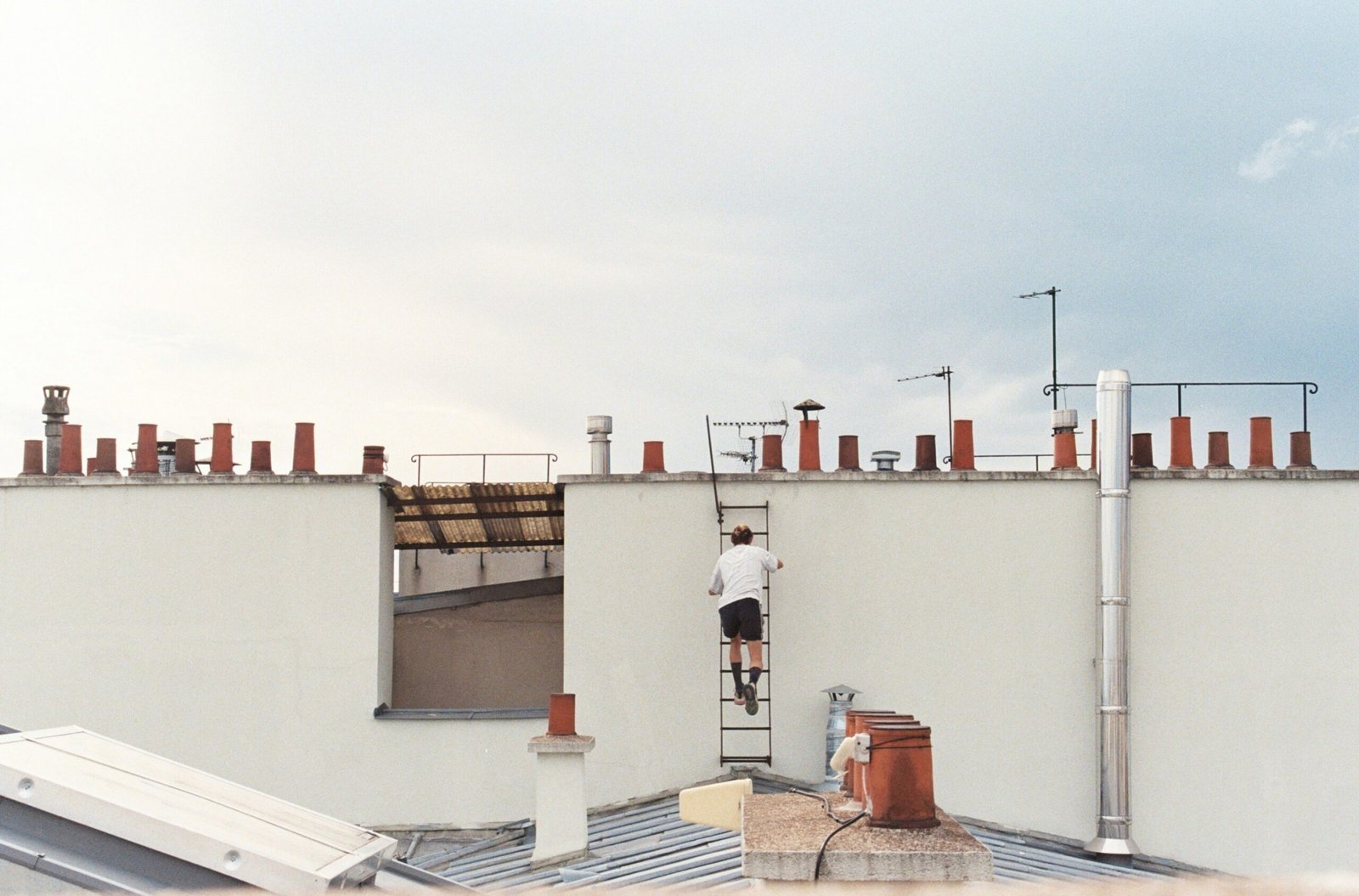
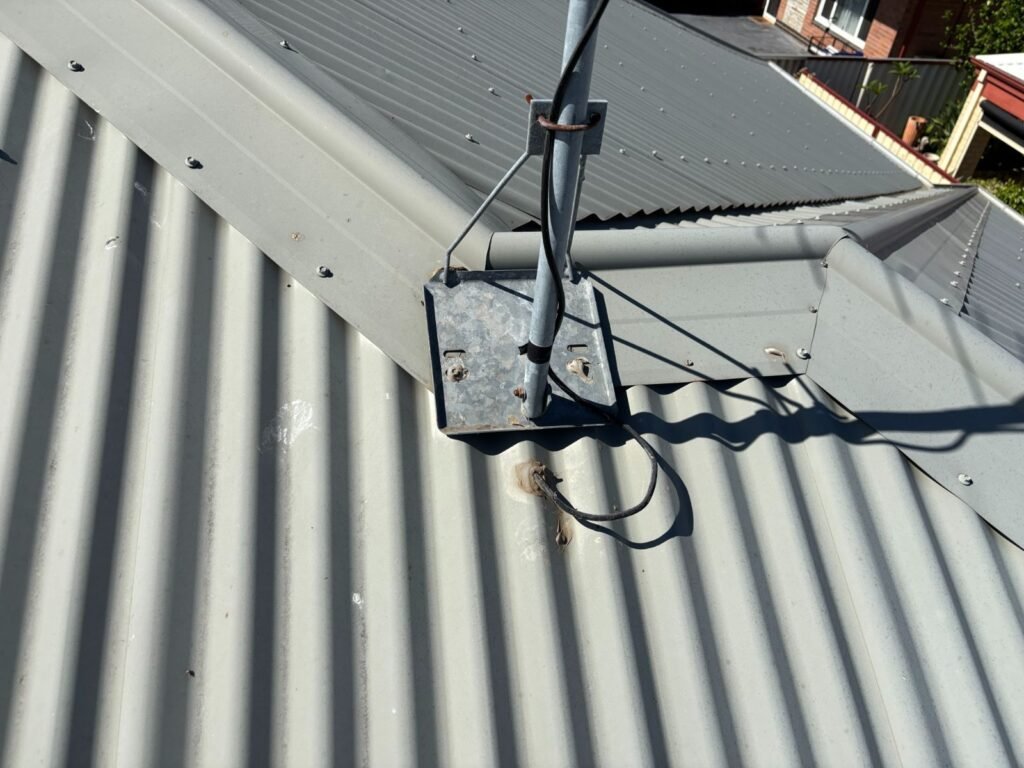
While major roofing trades such as roof carpenters, roof plumbers, roof tilers, and roof restoration specialists are widely recognised throughout Australia, there are many additional roof-related trades and specialist services that play an equally important role in maintaining the safety, functionality, and weather resistance of residential and commercial buildings. These lesser-known roof trades often focus on specialised installations, maintenance tasks, and technical systems that penetrate or interact with the roof structure. Professionals such as TV antenna installers, satellite dish technicians, chimney repair specialists, skylight installers, solar panel technicians, evaporative air-conditioning installers, roof ventilation experts, and lightning protection contractors all require highly specific skills to work safely and effectively on roof structures. Because every roof penetration or rooftop installation creates a potential weak point for water ingress, structural stress, or safety hazards, these specialists must understand roofing systems, flashing methods, waterproofing techniques, and Australian height safety regulations to prevent long-term damage to the building.
TV antenna and communications technicians are one of the most common but least discussed roof trades in Australia. Their responsibilities include installing, aligning, securing, repairing, and replacing digital television antennas, satellite dishes, communication aerials, wireless internet receivers, and signal boosters mounted on rooftops. These technicians must understand signal transmission, cable routing, mounting systems, grounding requirements, and wind loading principles to ensure equipment remains stable during severe weather conditions. Improperly installed antennas can lead to roof leaks, loose fixings, cracked tiles, rusted penetrations, and structural instability over time. Communications technicians frequently work alongside electricians and roofing contractors to safely route cabling through roof cavities while maintaining watertight seals around all penetrations. They are also responsible for identifying corrosion, degraded brackets, and unsafe mounting systems that may become hazards during storms or high winds.
Chimney repair and fireplace flue specialists represent another important roof-related trade that is often overlooked. In older Australian homes, particularly heritage properties, chimneys are vulnerable to mortar deterioration, cracked brickwork, rusted flashings, leaning structures, and water penetration around the chimney base. Chimney specialists inspect and repair brick chimneys, metal flue systems, chimney caps, cowls, spark arrestors, and waterproof flashing systems to prevent leaks and structural collapse. Their work often includes repointing mortar joints, replacing damaged bricks, installing weatherproof cappings, and sealing chimney penetrations where they pass through the roof structure. Because chimneys are constantly exposed to moisture, heat cycling, and wind movement, they require regular maintenance to prevent water ingress into ceiling cavities and wall structures. In bushfire-prone areas of Australia, chimney tradespeople may also install ember guards and fire-resistant chimney components to improve building safety.
Modern Australian roofs also rely heavily on specialist trades involved in rooftop mechanical systems and energy infrastructure. Solar panel installers, evaporative air-conditioning technicians, HVAC contractors, and roof ventilation specialists all perform critical roof-based work requiring detailed technical expertise. Solar technicians install photovoltaic panels, mounting rails, inverters, cable conduits, isolators, and battery system penetrations while ensuring the roof remains structurally sound and weatherproof. Air-conditioning and ventilation specialists install evaporative cooling units, whirlybirds, ridge vents, extraction fans, and ducting systems that penetrate roof surfaces and require carefully designed flashing and drainage solutions. Poorly installed rooftop systems can create leaks, ponding water, excess roof loading, and premature roof deterioration. These tradespeople must also understand heat transfer, airflow management, condensation control, electrical safety, and wind resistance to ensure rooftop equipment performs efficiently in Australia’s extreme climate conditions.
Additional specialist roof trades include gutter guard installers, roof safety system installers, pigeon proofing contractors, lightning protection technicians, waterproofing specialists, roof painters, asbestos removalists, and drone roof inspection operators. Roof safety installers fit anchor points, static lines, walkways, and edge protection systems that allow future tradespeople to work safely at heights. Pigeon proofing and pest control specialists install mesh barriers, bird spikes, and exclusion systems designed to prevent nesting and roof contamination. Waterproofing contractors apply membranes and sealants around roof penetrations, balconies, parapets, and flat roof systems to prevent moisture intrusion. Drone operators now play an increasingly important role in roof inspections by using aerial imaging technology to identify hidden defects, storm damage, blocked gutters, and structural deterioration without requiring immediate physical roof access. Collectively, these lesser-known roofing trades contribute significantly to the long-term safety, waterproofing performance, energy efficiency, and structural reliability of Australian buildings, despite often receiving far less recognition than the primary roofing trades themselves.